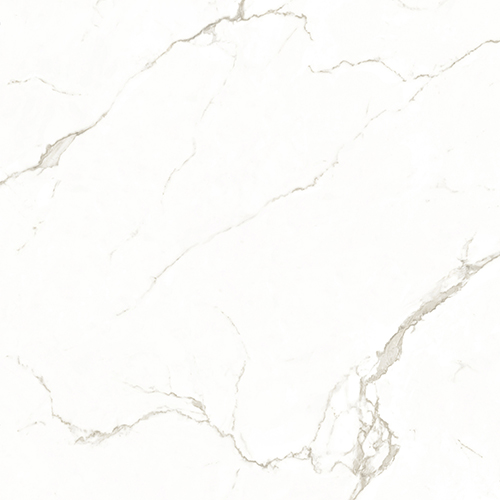
SPC flooring and wall panels are best specified as a coordinated surface system: review the rigid core, wear layer, acoustic build-up, water exposure and the visual relationship between floor and wall before choosing a reference.
Build a surface system, not a single finish
SPC is often selected for its rigid construction and practical surface performance. Wall panels extend that material language vertically, so the most convincing projects coordinate colour, scale, joint rhythm and transition details across both surfaces.
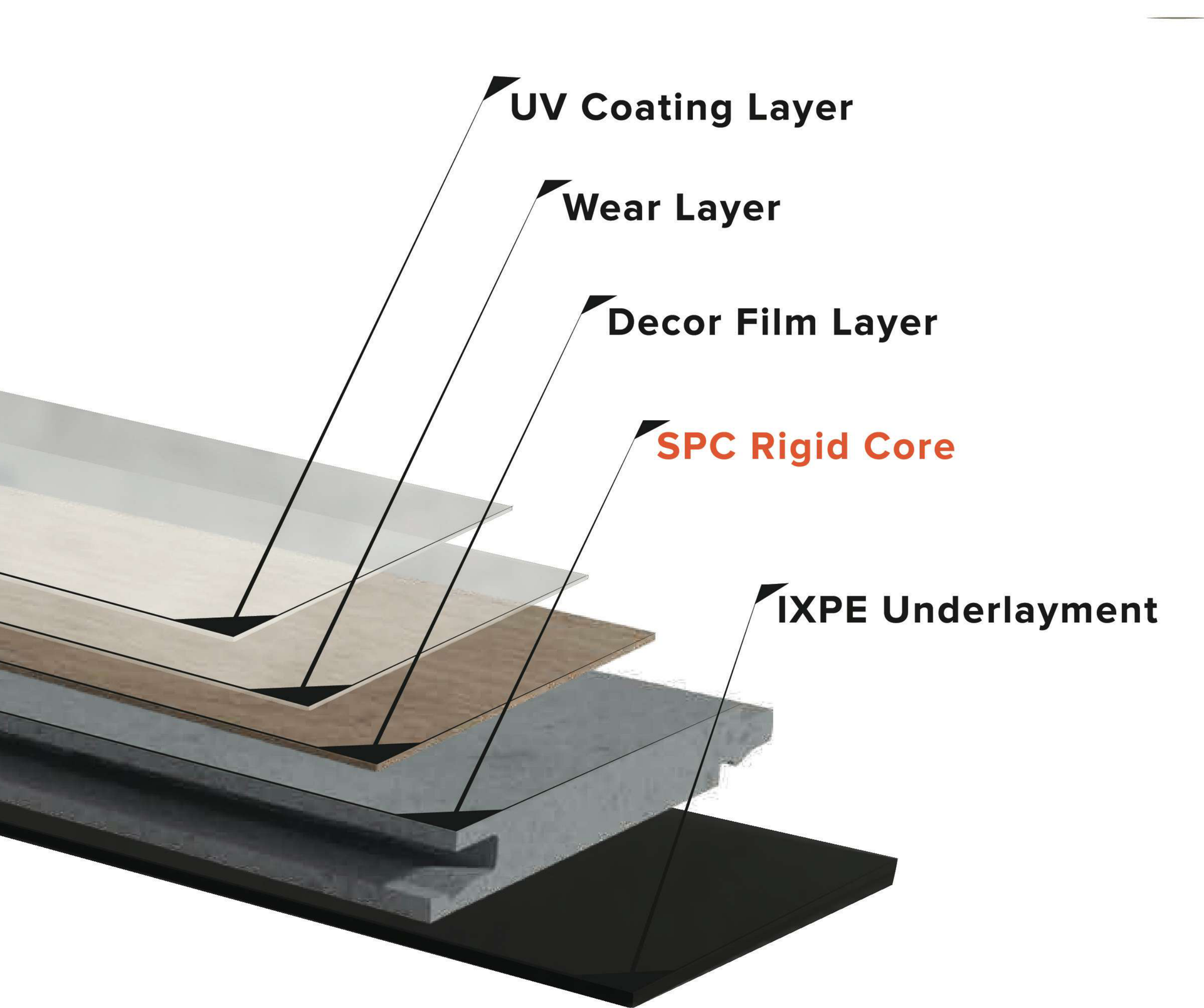
Confirm the core, total thickness, locking profile and acoustic layer on the exact product sheet.
Coordinate splash zones, perimeter sealing, transitions and maintenance with the room use.
Use tone and grain to connect floor planes, wall surfaces, joinery and furniture.
Review a physical sample beside lighting, grout lines, trims and adjacent finishes.
Choosing a surface is easier when the visual direction is clear before the individual reference is selected. Start by deciding whether the floor, the wall or both should carry the strongest material expression in the room.
Start with the composition
SPC flooring and wall panels can be reviewed together when an interior needs a coordinated palette. Consider the room proportions, the amount of daylight and the materials that meet the surface at doors, cabinetry and other transitions. A quieter floor can support a more expressive wall; a more defined floor can become the main element of the composition.
Compare references, not only images
Digital images are useful for a first direction, but final selection should be based on the product reference, listed format and technical information. Look at the surface under the intended light and compare it with the other permanent materials in the project.
Continue your selection
Explore the SPC flooring and wall panels collection, then compare related Stone and Wood surface directions.
A practical selection framework
Use the room as the starting point. In a compact bathroom, hallway or retail setting, the visual continuity between wall and floor can be more important than a single isolated sample. In a larger open interior, decide which plane should be quieter and which should become the focal surface.
Three questions to ask before sampling
- Which fixed materials will meet the surface: stone, paint, joinery or metal?
- Will daylight be warm, cool, direct or limited during the main hours of use?
- Is the same visual direction required on more than one plane?
What to compare on the technical sheet
Compare the exact reference, its format and the listed technical data—not only the image. Keep a record of the reference code with the sample so the selected surface can be traced accurately through design, procurement and installation.
Frequently asked questions
Can one image replace a physical sample?
No. A screen is useful for shortlisting, but it cannot show the material in the project light or beside the final adjacent finishes.
Should a wall and floor always match?
Not necessarily. A coordinated palette can use different tones or scales while still feeling related. The aim is a deliberate composition, not identical surfaces everywhere.
Project note: document the final choice
Once a direction has been selected, record the product name, reference code, intended location and adjacent materials in the finish schedule. This simple step prevents a visual selection from being separated from its technical reference as the project moves from design to ordering. Recheck the approved sample after any meaningful change to lighting, joinery or wall colour.
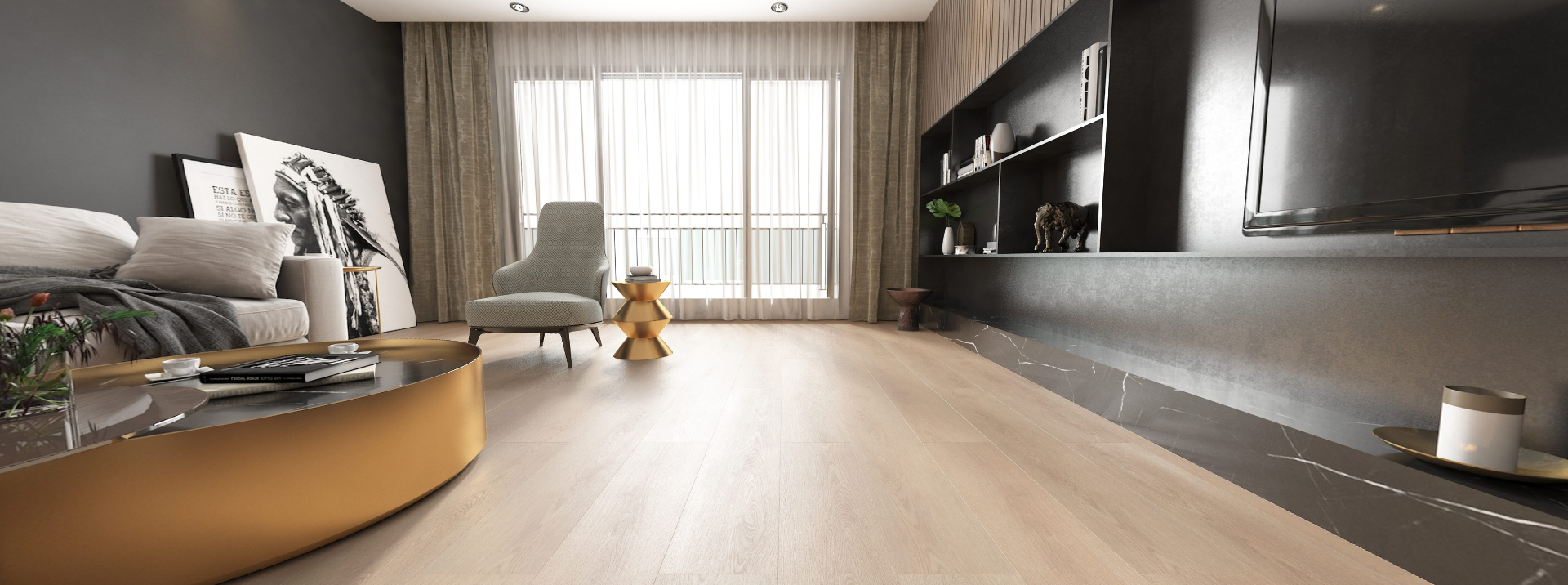
Coordinate floor and wall as one composition
Compare the floor scale, panel module, colour temperature and edge detail before final approval. A strong surface scheme feels continuous without making every plane identical.
A project-ready selection checklist
Frequently asked questions
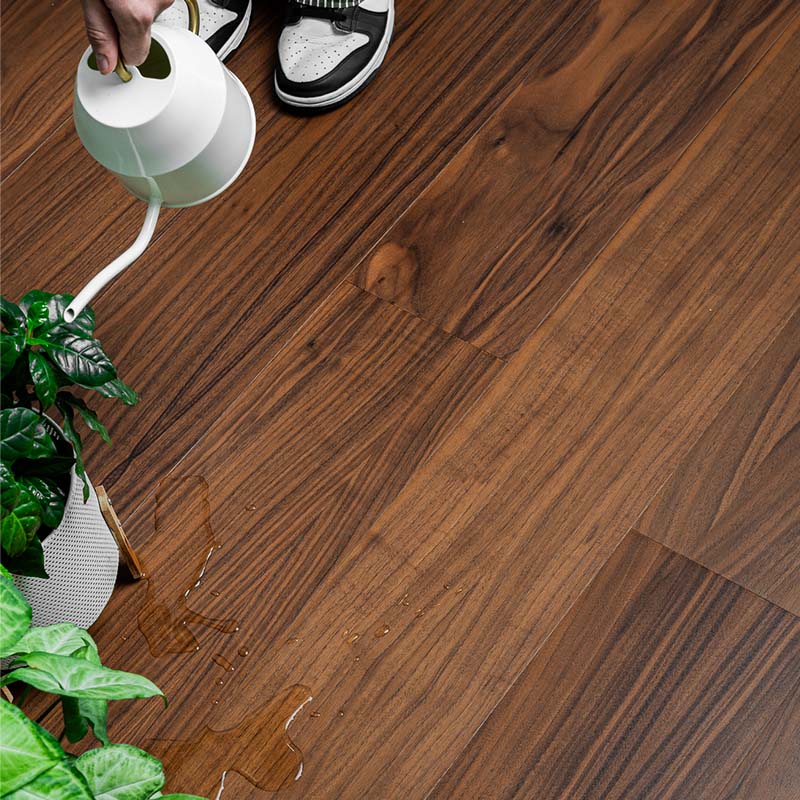
Is every SPC floor suitable for every wet area?
No. Suitability depends on the exact product, installation detail, substrate and exposure. Check the current technical sheet and installation guidance.
Should wall panels match the floor exactly?
Not necessarily. A controlled tonal relationship often creates a more architectural result than a literal one-to-one match.
Explore Bella Floor collections
Compare SPC flooring, wall surfaces and technical references before you specify the final finish.