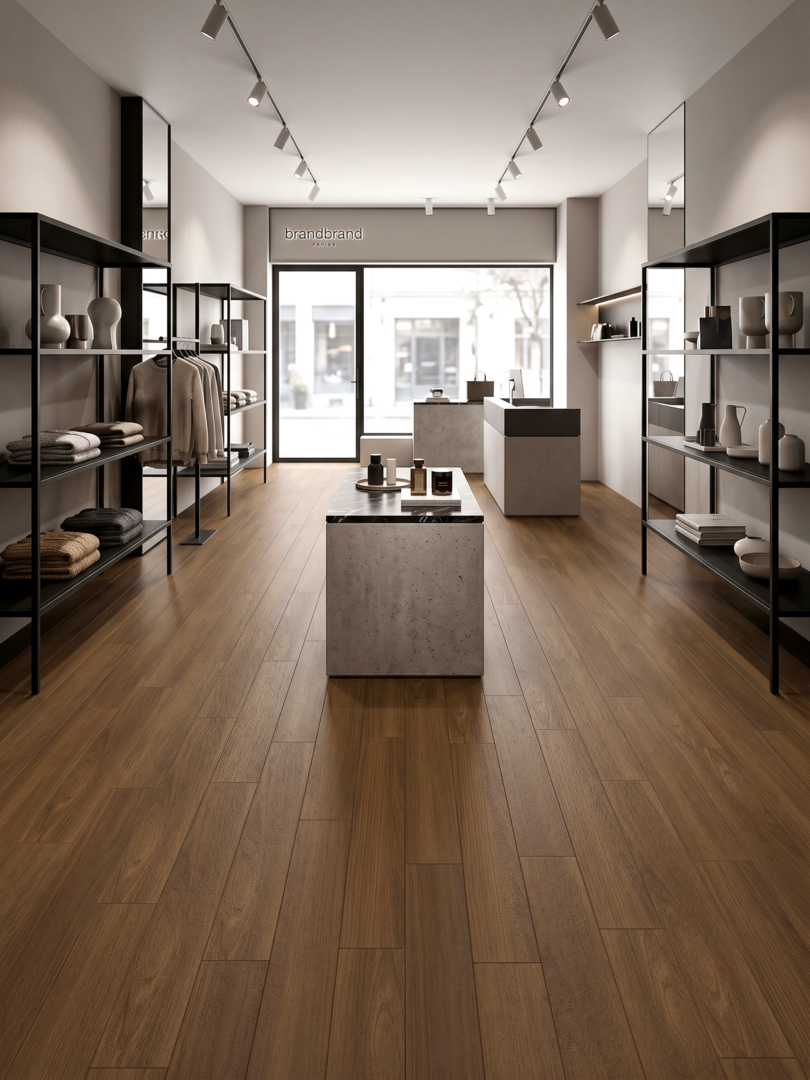
Flooring can be inspired by many wood species, but the final character comes from the relationship between species, grain, grade, tone, format, surface texture and light. Start with the atmosphere you want the room to hold.
Species is only one part of the surface
Oak is often chosen for its adaptable grain and wide tonal range. Walnut introduces depth and contrast. Other wood directions can create a quieter, warmer or more expressive reading depending on the grade, décor and format selected.
Species influences grain scale, colour movement and the first impression of the room.
Knots, sapwood, variation and repeat influence whether a surface feels calm or expressive.
Natural, honey, smoked, grey and walnut directions behave differently beside light and stone.
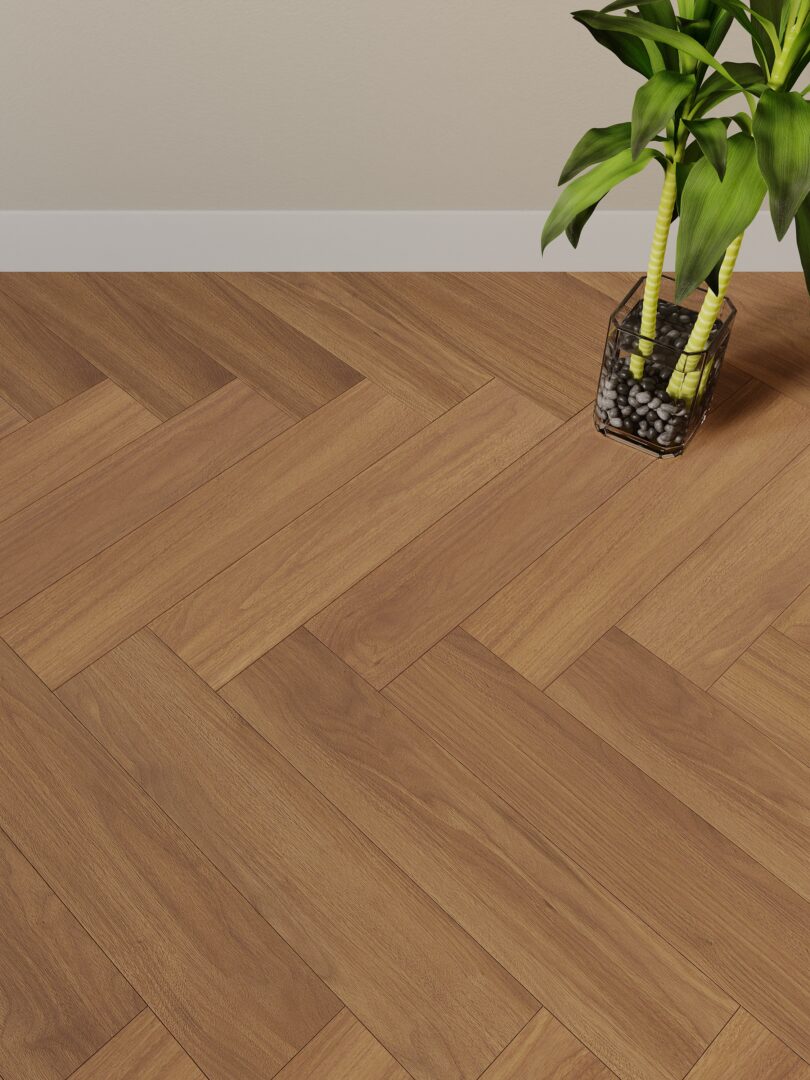
Plank, XL, XXL, Herringbone and Chevron change how the same wood direction is perceived.
Wood flooring is often discussed by colour, but the wood species and cut also shape the result. Grain, natural variation and the way a surface reflects light can alter the character of a room as much as the selected tone.
Oak: a versatile flooring direction
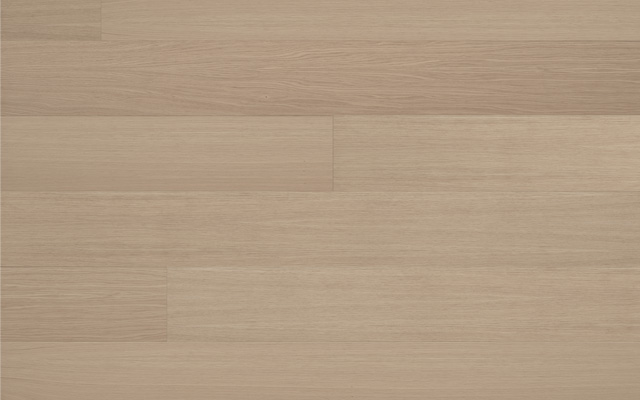
Oak is widely used in flooring because its grain and colour range can support many interior palettes. In the Bella Floor collections, oak appears across Herringbone, Chevron, XL, XXL and other plank directions. The final effect still depends on the individual reference, its finish and the scale of the format.
Walnut: a deeper visual register
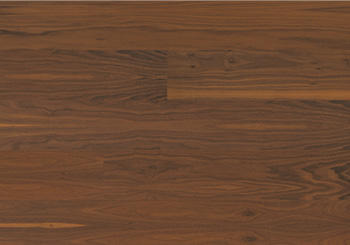
Walnut has a naturally deeper colour direction and can create contrast against lighter walls and mineral materials. It can be used to bring visual weight to a room, or to support a layered palette with other warm materials.
Choose species with a real sample
Species is only one part of the selection. Compare the exact product reference under the intended light, with cabinetry and adjacent surfaces. For oak and walnut options, review Sense, Elegance XL Premium and the Family Collection.
Species, grain and format work together
Wood choice is not only about naming a species. The same oak can feel refined, graphic, quiet or warm depending on the selected reference, plank format, pattern and surrounding materials. Walnut introduces a deeper direction, but its final impact is also shaped by lighting and scale.
Read samples beyond the colour
Look for grain movement, natural tonal variation and the relationship between the plank scale and the room. A strong grain can bring energy to a minimal interior; a more even visual direction can help several materials sit together calmly.
Selection checklist
- Evaluate oak and walnut beside the project palette.
- Check the exact reference in daylight and artificial light.
- Confirm the required format, dimensions and technical data before ordering.
Frequently asked questions
Is oak always a neutral choice?
Oak is versatile, but individual references can range from light to deep and from restrained to expressive.
Is walnut only for dark interiors?
No. Walnut can provide a deliberate contrast within a light palette as well as contribute to a darker composition.
Project note: respect natural variation
Wood surfaces contain natural variation in grain and tone. A sample establishes the intended direction, but it does not turn a natural material into a perfectly uniform graphic. Agree on the desired level of variation early, then select the exact reference and format that best supports the project palette.
Choose wood direction with a physical sample
Use images to shortlist species and tone, then compare physical samples beside the project finishes. Grain, texture and edge detail become much clearer at full scale.
A project-ready selection checklist
Frequently asked questions
Which wood species is best for flooring?
There is no universal best species. Select according to the desired grain, tone, variation, format and the project use.
Why can two oak floors look completely different?
Grade, cut, décor, texture, tone, format and lighting can change the visual result even when the species name is the same.
Explore Bella Floor collections
Compare species character, colour and format before selecting the finish for your project.